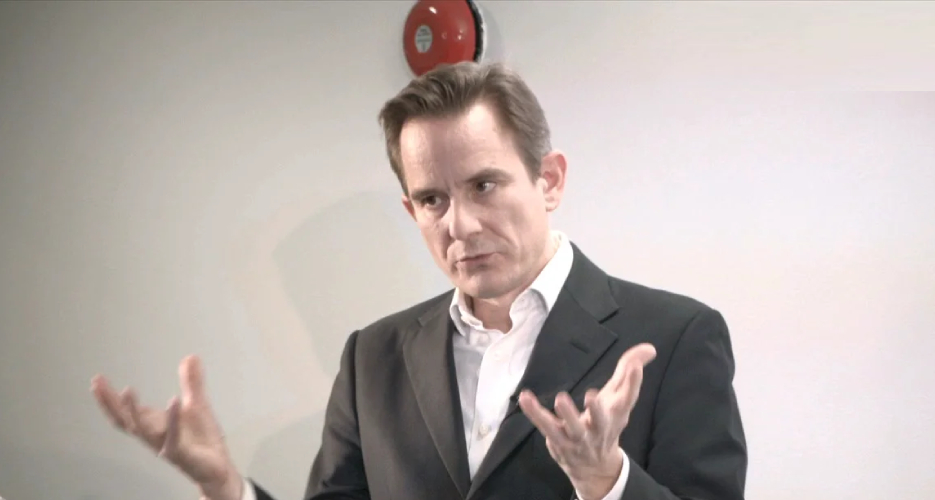
Robert Guest is a British journalist, author and Deputy Editor of The Economist, widely respected for his clear-eyed analysis of geopolitics, global business and shifting economic power. Covering Africa, Asia, Europe and the United States, he translates complex international developments into practical insight for leaders. Organisations hire Robert as a motivational speaker because he brings authority without abstraction, combining frontline reporting with strategic perspective to help audiences understand risk, opportunity, and the forces reshaping markets.
Robert’s early career laid the foundations for his global outlook. Before joining The Economist, he worked as a freelance writer in South Korea, gaining first-hand experience of Asian economic dynamism. He then became Tokyo Correspondent for The Daily Telegraph, sharpening his expertise in international affairs. On joining The Economist, he served as Africa Editor, reporting from London and Johannesburg on governance, development and investment across the continent. He later moved to Washington as a correspondent and wrote the publication’s US politics column, Lexington. Progressing through senior roles as Business Editor and US Editor, he ultimately became Foreign Editor, overseeing global coverage, before rising to Deputy Editor.
Alongside his editorial leadership, Robert is a two-time author. His books 'Shackled Continent' and 'Borderless Economics' explore economic development and the case for freer migration, reflecting his long-standing focus on growth, talent and global integration. His journalism has been recognised with the Queen’s English Society’s Annual Award for Fine Writing and the Foreign Press Association’s Award for Best Economic Story of the Year. He is also Chair of Trustees of The Economist Educational Foundation, supporting young people to navigate misinformation, polarisation and social challenges. Regular appearances on BBC and CNN further demonstrate his credibility as a trusted public commentator.
As a motivational speaker, Robert stands out for his ability to connect geopolitical shifts to boardroom decision-making. He does not offer abstract theory; he offers context, clarity and consequence. Drawing on decades of reporting from political capitals and economic front lines, he equips leaders with the confidence to act amid uncertainty. Audiences leave with a sharper understanding of global risk, a broader perspective on opportunity and a renewed sense of strategic purpose grounded in evidence and real-world experience.